What will you do when you're driving on a freeway and your vehicle's brakes don't work?
a) You will downshift to 1st and then engage and release the handbrake with the button pressed until the vehicle stops, or engage the handbrake tooth-to-tooth.
b) You will apply the parking brake slowly until the vehicle stops.
c) You will turn off the engine and engage the parking brake tooth-to-tooth at the same time.
Question 2
What will you do if your oil or brake light comes on or your engine temperature rises into the red?
a) We will quickly go to the nearest workshop.
b) We will stop to top up brake fluid.
c) We will stop the vehicle immediately and call roadside assistance.
Question 3
What fluids do you add to the battery, radiator, brakes?
a) Distilled water in everything plus antifreeze and anti-thermal in the water cooler.
b) Special liquids recommended by the manufacturer.
c) Distilled water in the battery, special fluid in the brakes and anti-freeze-anti-heat in the water cooler.
Question 4
Which wheels do you brake when you press the brake pedal and which do you apply the parking brake?
a) The rear wheels with the foot lever and the front wheels with the parking brake.
b) The rear ones with the handbrake and the front ones with the foot lever.
c) All four wheels with the foot lever and the rear with the parking brake.
Question 5
What wheels do you put snow chains on on a front wheel drive, rear wheel drive and four wheel drive vehicle?
a) On all four wheels.
b) On the two front wheels.
c) On the drive wheels.
Question 6
What do you do if you are stopped on a national road due to a traffic jam, day or night?
a) Turn on the right flash.
b) Press and release the brake continuously.
c) We turn on the emergency lights, i.e. the alarms.
Mandatory and optional equipment
What should be in the car?
Equipment you need to know before checking the vehicle.
01Mandatory equipment
An inflated spare, wrench, triangle, first aid kit, jack, fire extinguisher and chains when you are going to move on a mountain road or when the E.M.Y. announce adverse conditions.
02Optional equipment
Power strips, tow cable, extra lights and fuses, engine oil, non-perishable food and water for long waits.
Mechanisms and gauges on the dashboard
The basic lights and indicators
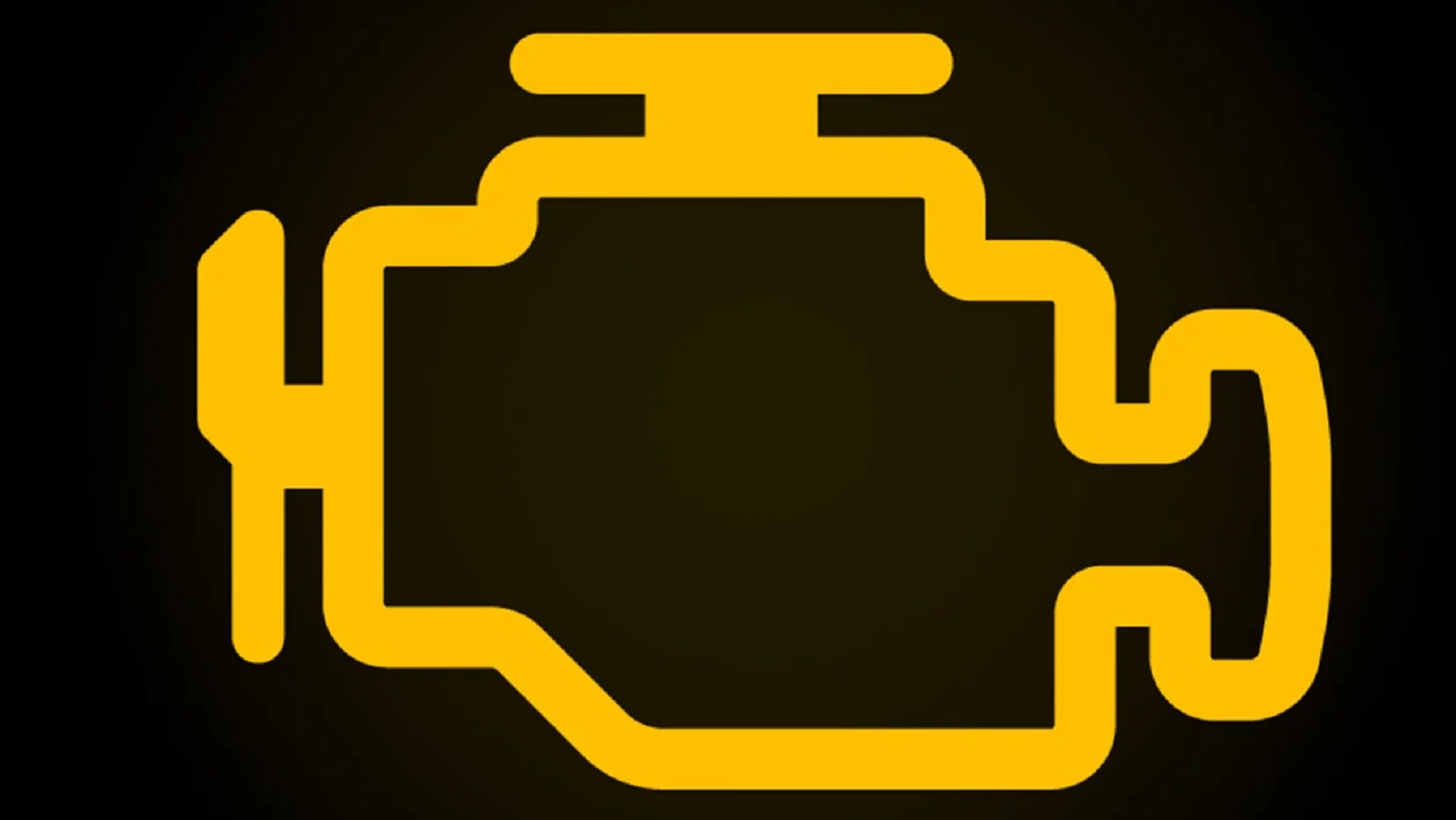
Yellow engine light
When it comes on while you are driving, there is a problem with the engine and if it is red, stop immediately and call for roadside assistance. It doesn't always require an immediate stop when it's yellow, but it does require a workshop check.
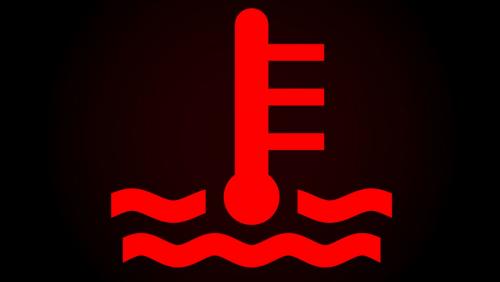
Engine temperature
When it lights up red, stop the vehicle (the engine has overheated), switch off the engine and call roadside assistance.
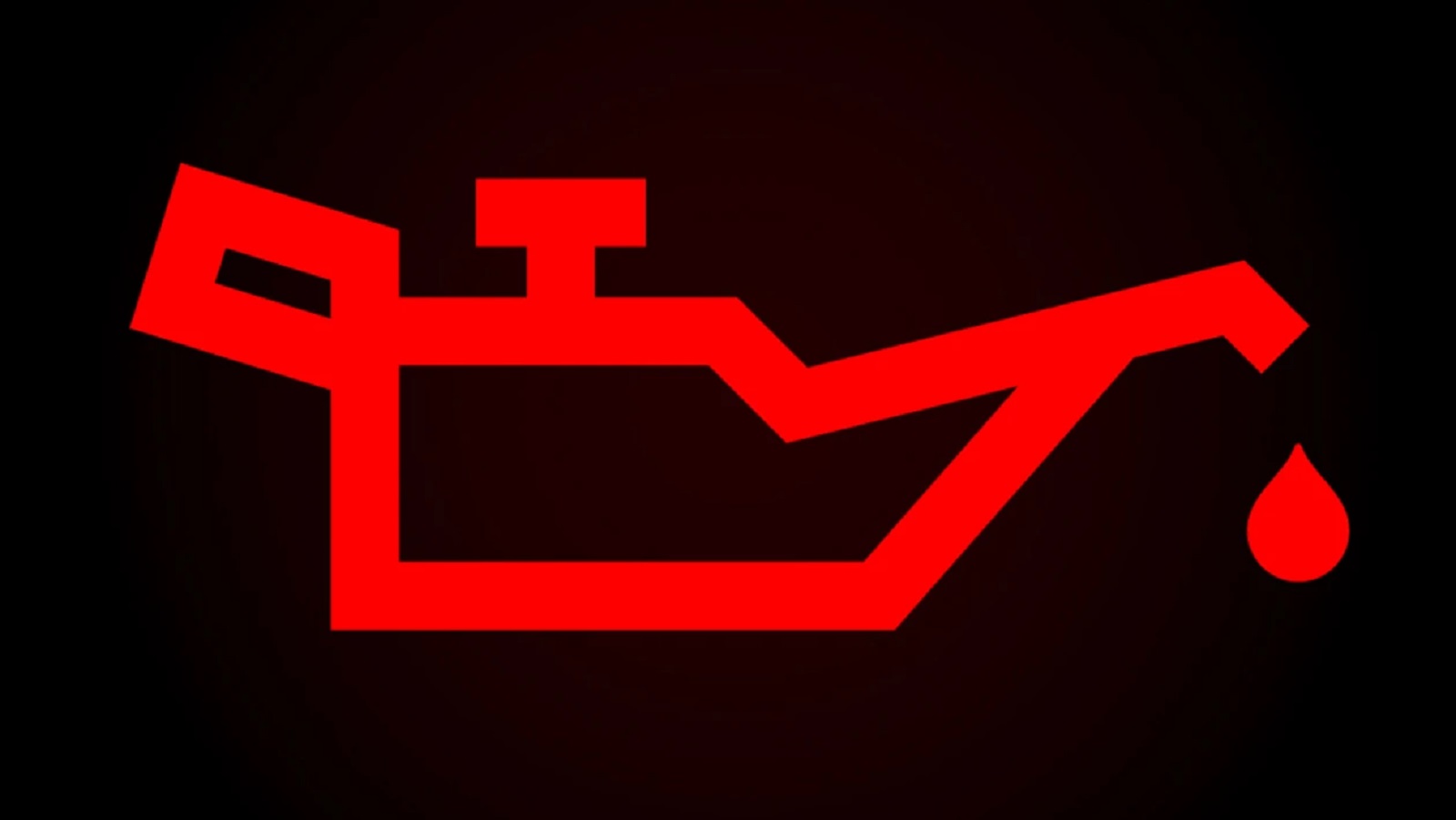
Oil pressure
Indicates a problem with oil pressure or quantity. You stop immediately and do not continue without control.
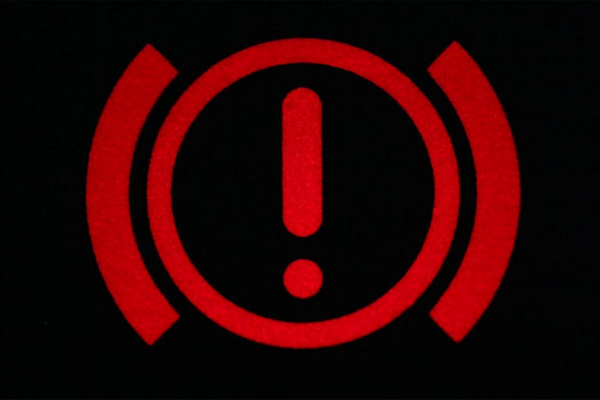
Handbrake
If the light stays on while you released the parking brake, the brake fluid level is low or the pads are worn, stop immediately and call for roadside assistance
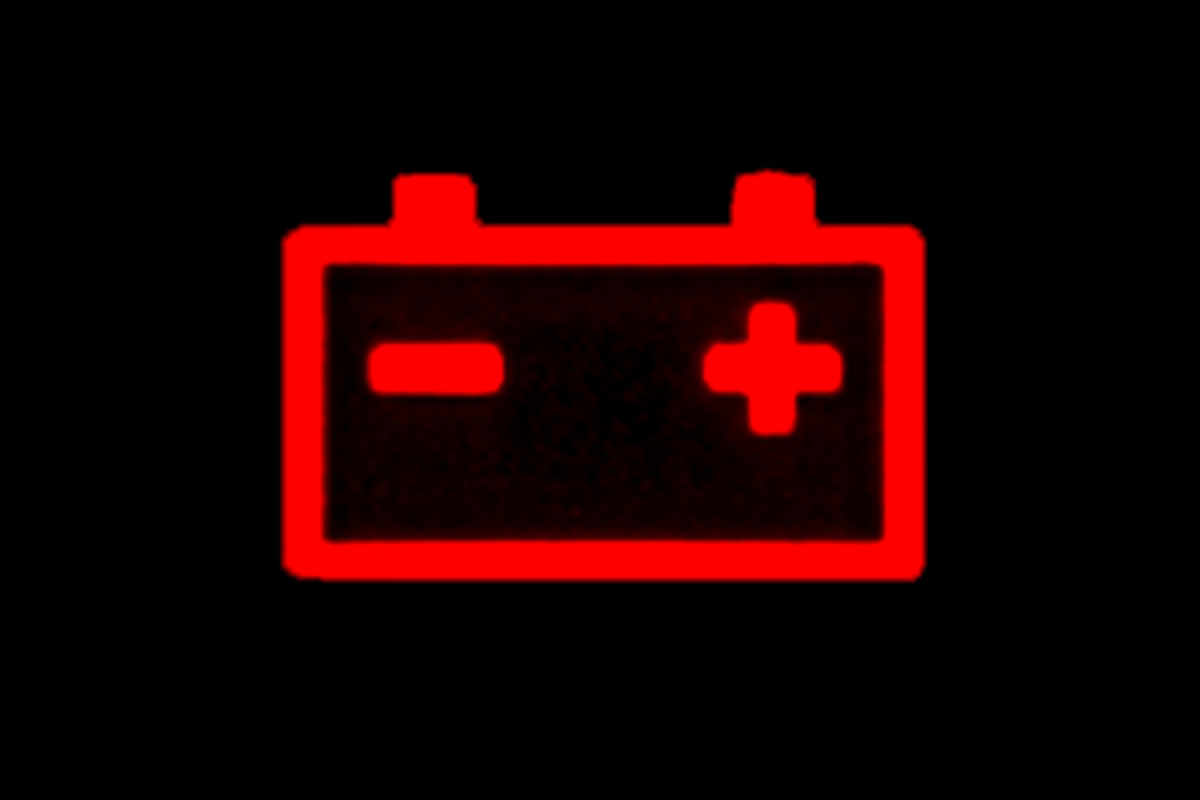
Battery
Illuminates when the battery is not being charged by the power generator. The vehicle will soon come to a standstill so you stop immediately and call for roadside assistance.
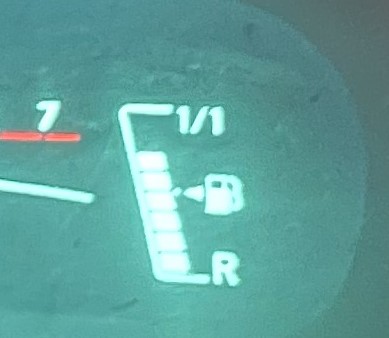
Gasoline meter
It shows the amount of fuel. The odometer and tachometer help to check the course and operation of the engine.
Functionality checks
Brakes, handbrake, steering wheel and lights
For a vehicle with sevro brake, the brake test is done with the engine running. Press the brake all the way and check if it tightens progressively and has a good return if not don't start
For the parking brake, put the vehicle on a hill or hill, put it in neutral, and engage it tooth-to-tooth until it stops.
For the steering wheel, with the engine running, turn left and right to see if there is any steering and if the vehicle reacts.
The light switch has low, medium and high beam. The long ladder is used outside the city when there is no vehicle in front or across a short distance. The middle one is used at night and in adverse conditions (rain, snow, fog). The small ladder when you are stopped with low lighting to be visible
Checks in the engine compartment
Fluids and essential components
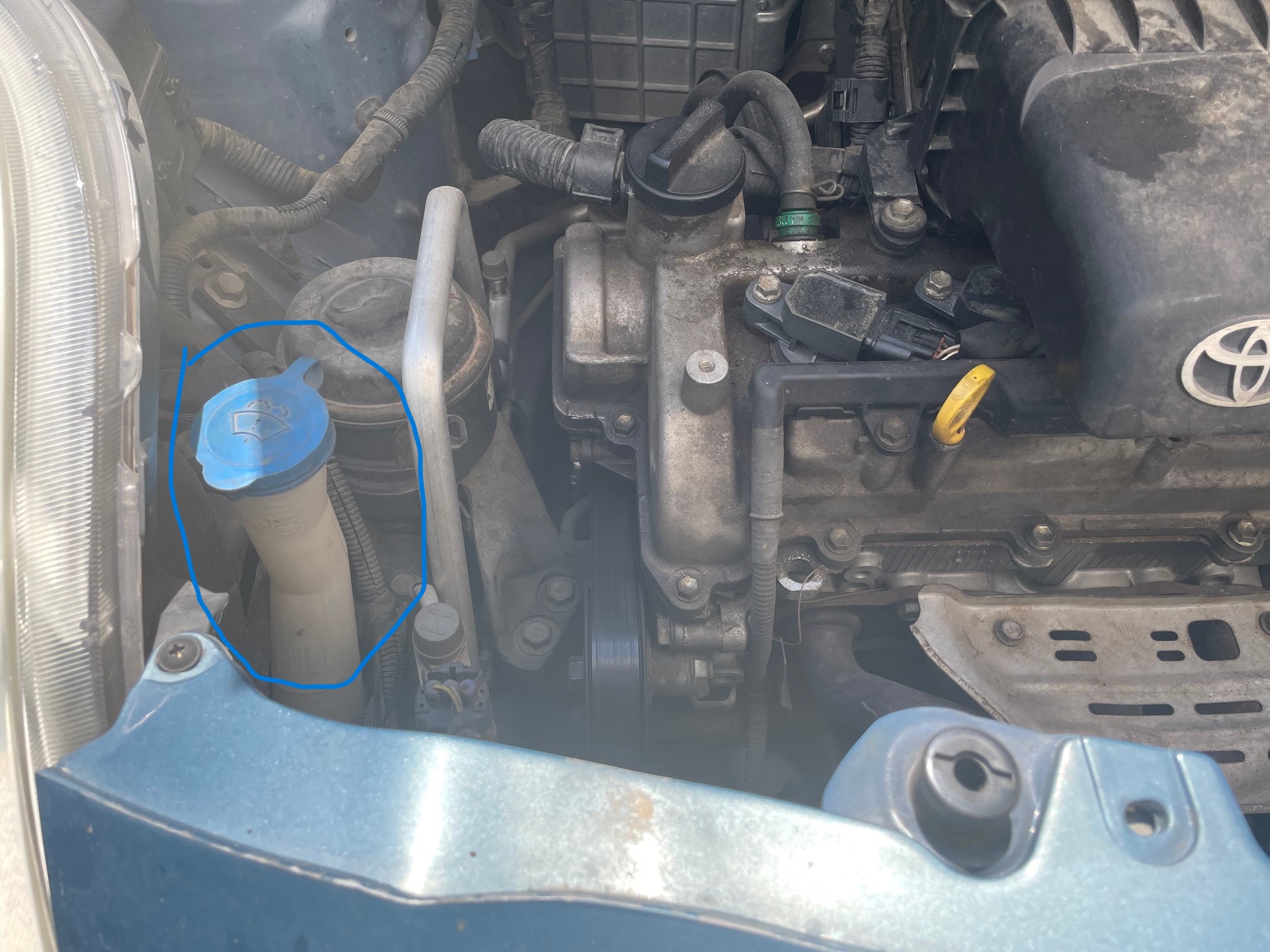
Cleaner fluids
Fill the appropriate liquid (distilled and anti-freeze if it is winter) in the container of the wipers and check that it sprays correctly.
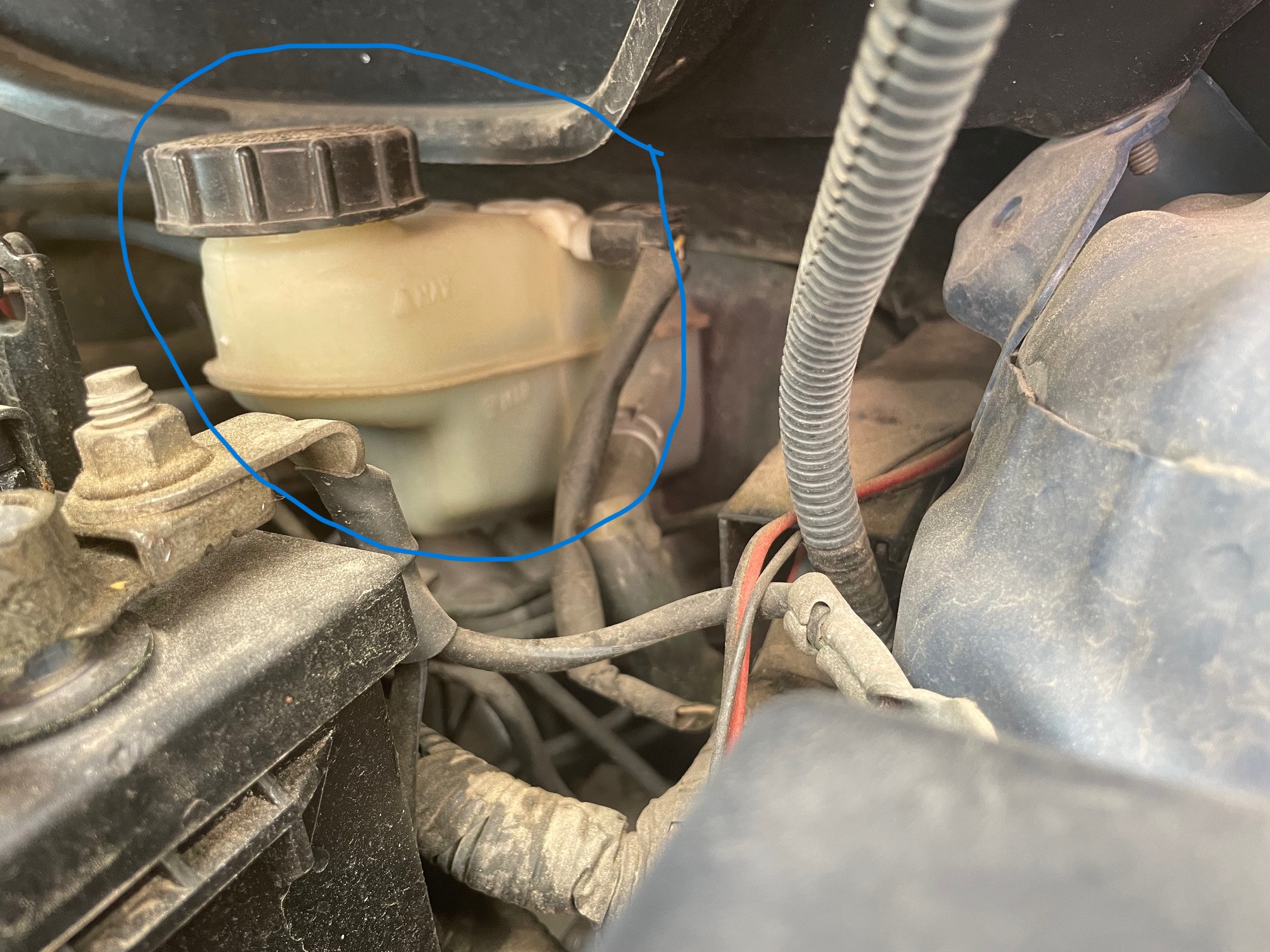
Brake fluids
Check the level in the tank. If it drops low, there may be a leak or worn pads so you won't start
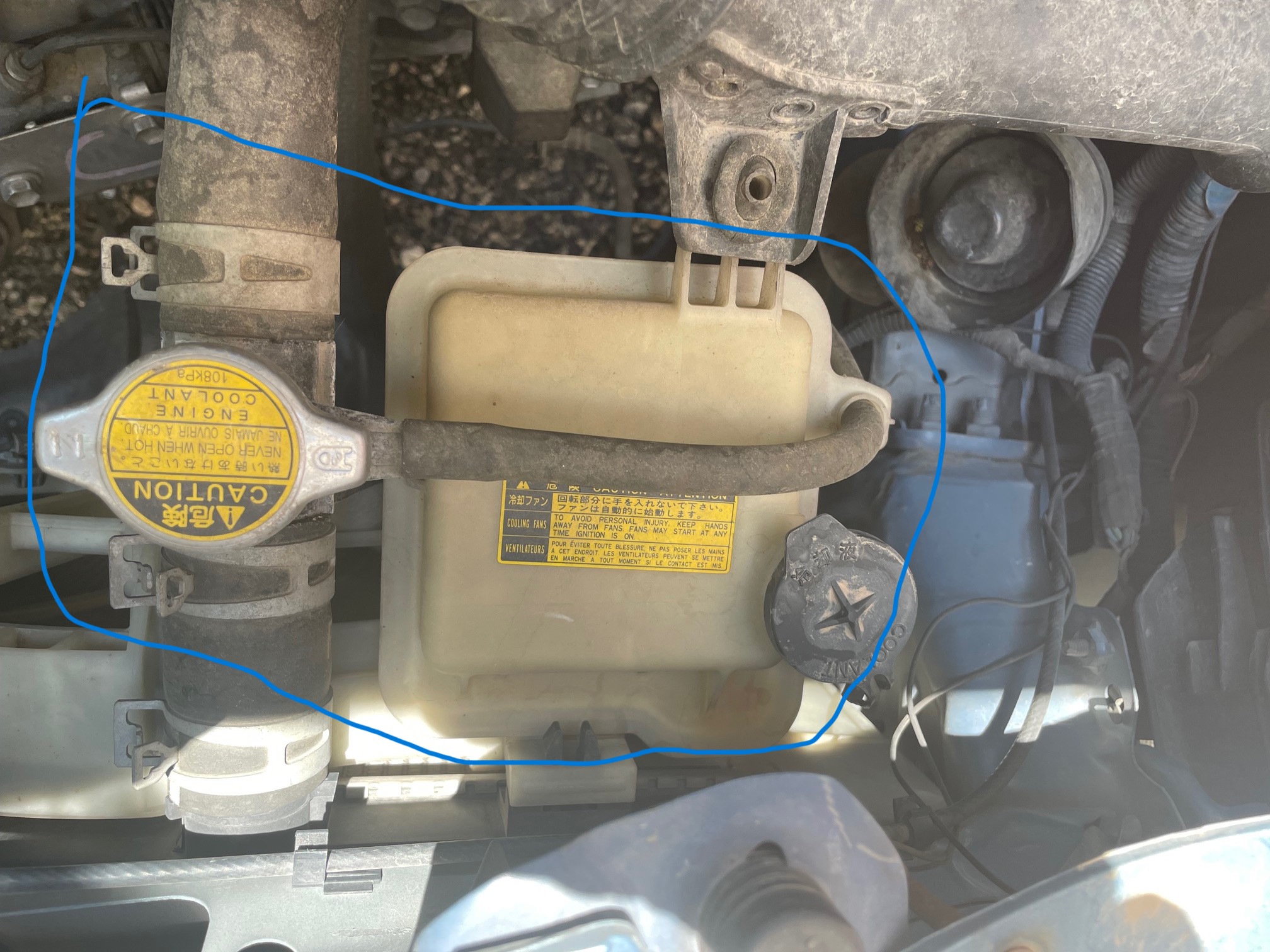
Coolant fluids
The refrigerator has a special antifreeze-antithermic, the level must be in the maximum position. You don't open a cap when it's hot.
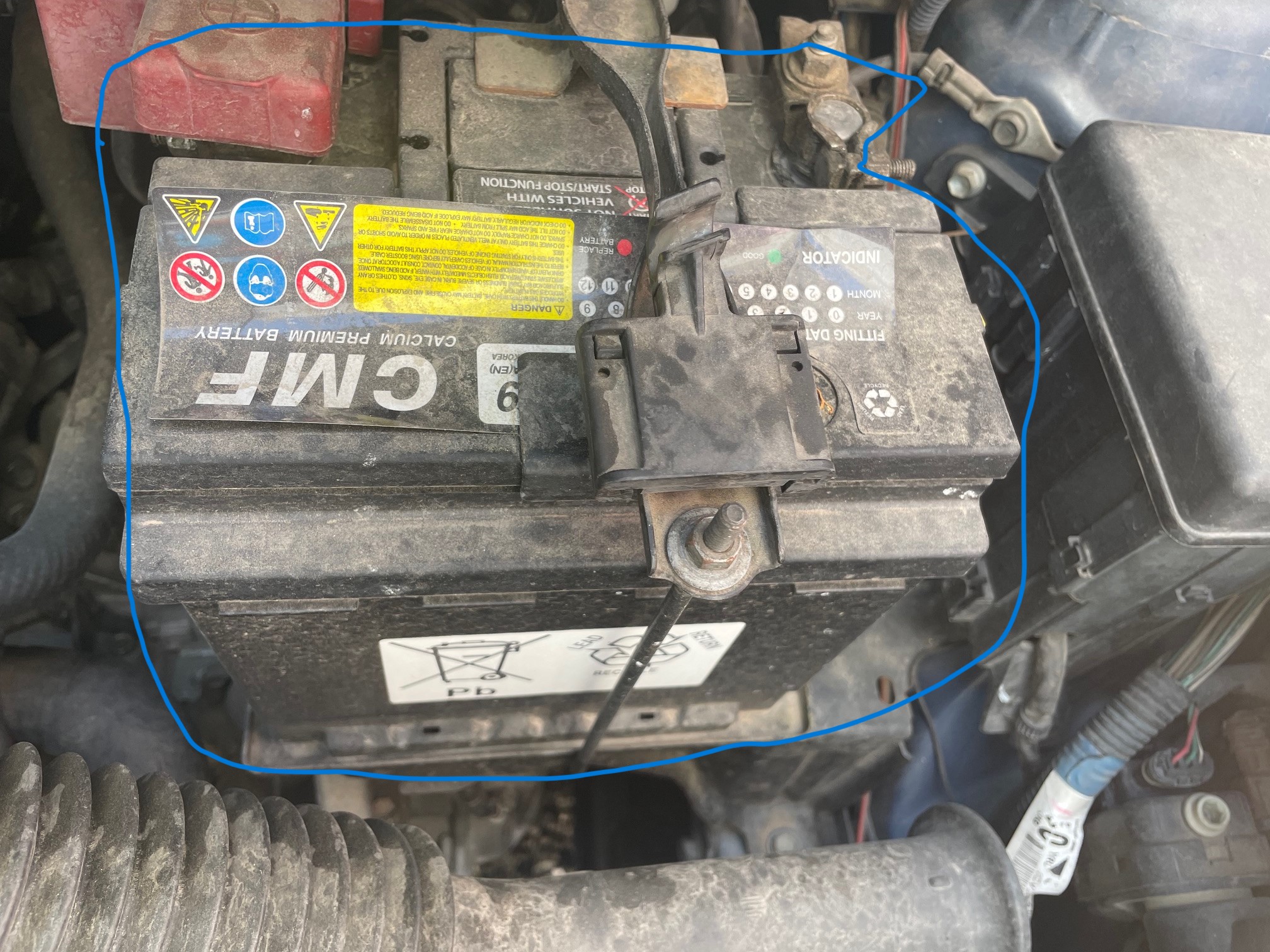
Battery
Old batteries are filled with distilled water. New ones usually don't need filling.
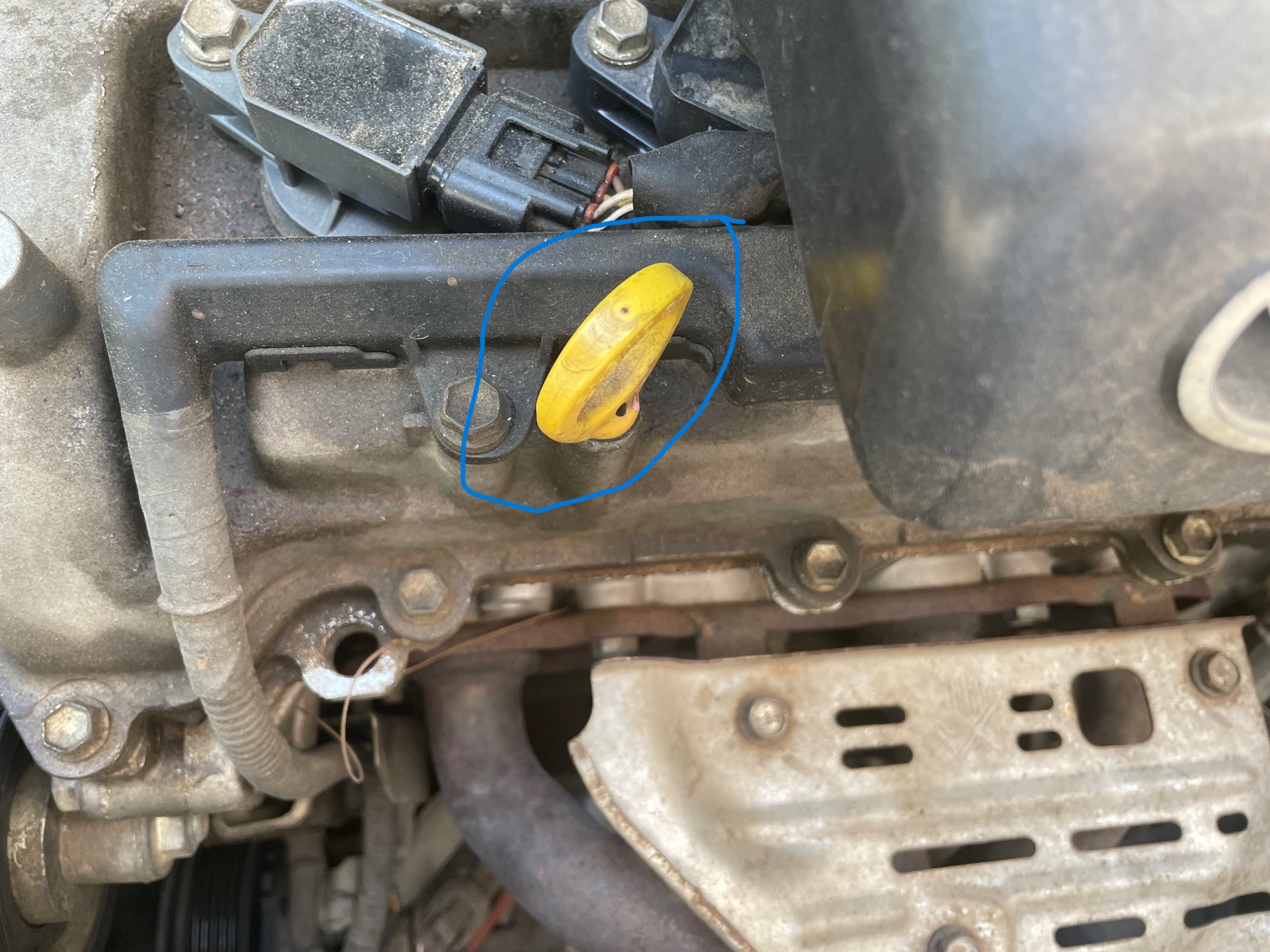
Oil check
Check with the oil dipstick on level ground and with the engine off for at least five minutes, the level should be close to the max and if it is not, top up with the oil recommended by the manufacturer.
Manufacturer's book
For fluids, pressures and technical data, consult the manufacturer's manual.
Tires, wipers and lights
External audits you need to know
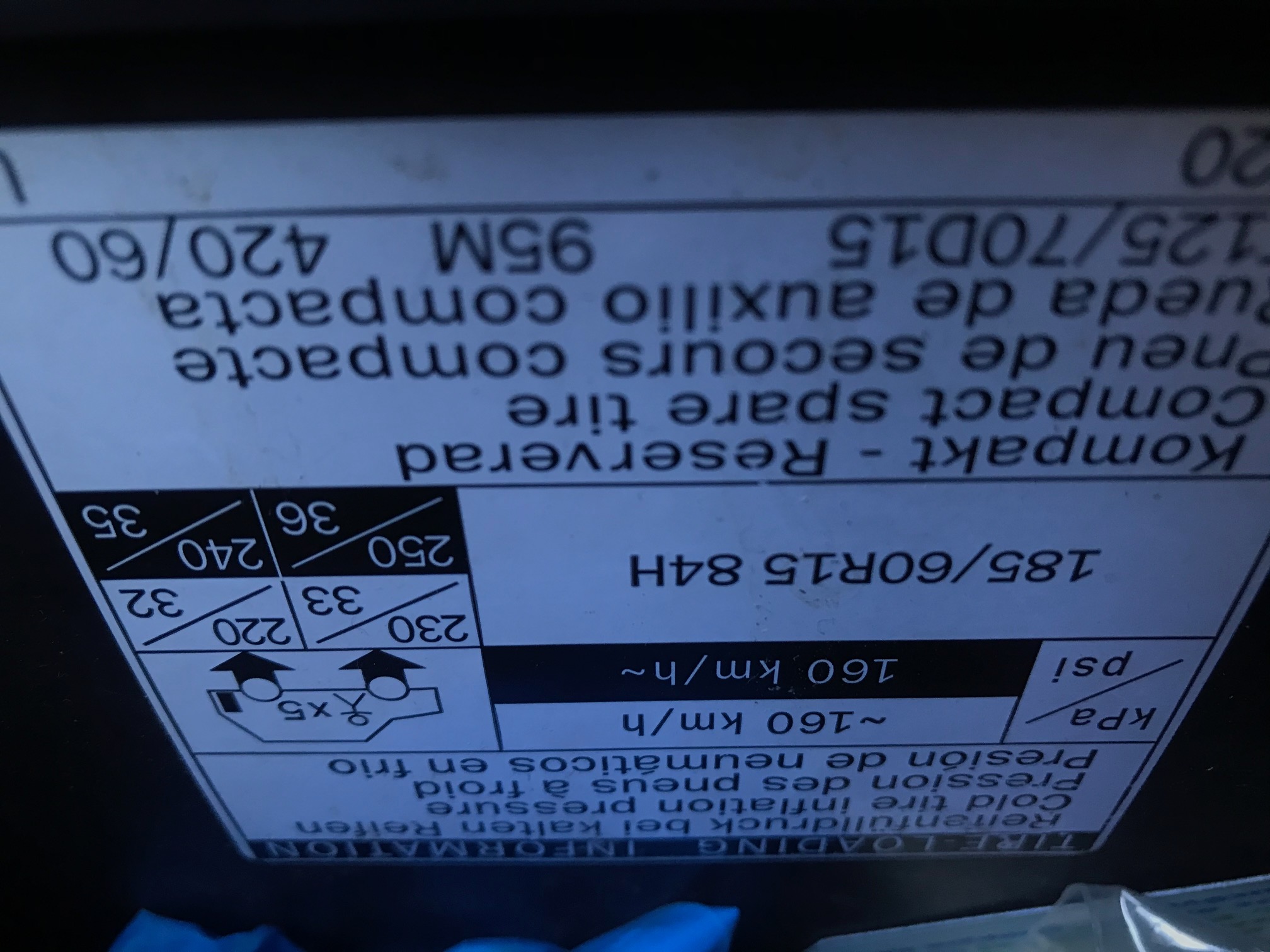
Tire pressure
The correct pressure can be found on the vehicle's nameplate or in the manufacturer's manual.
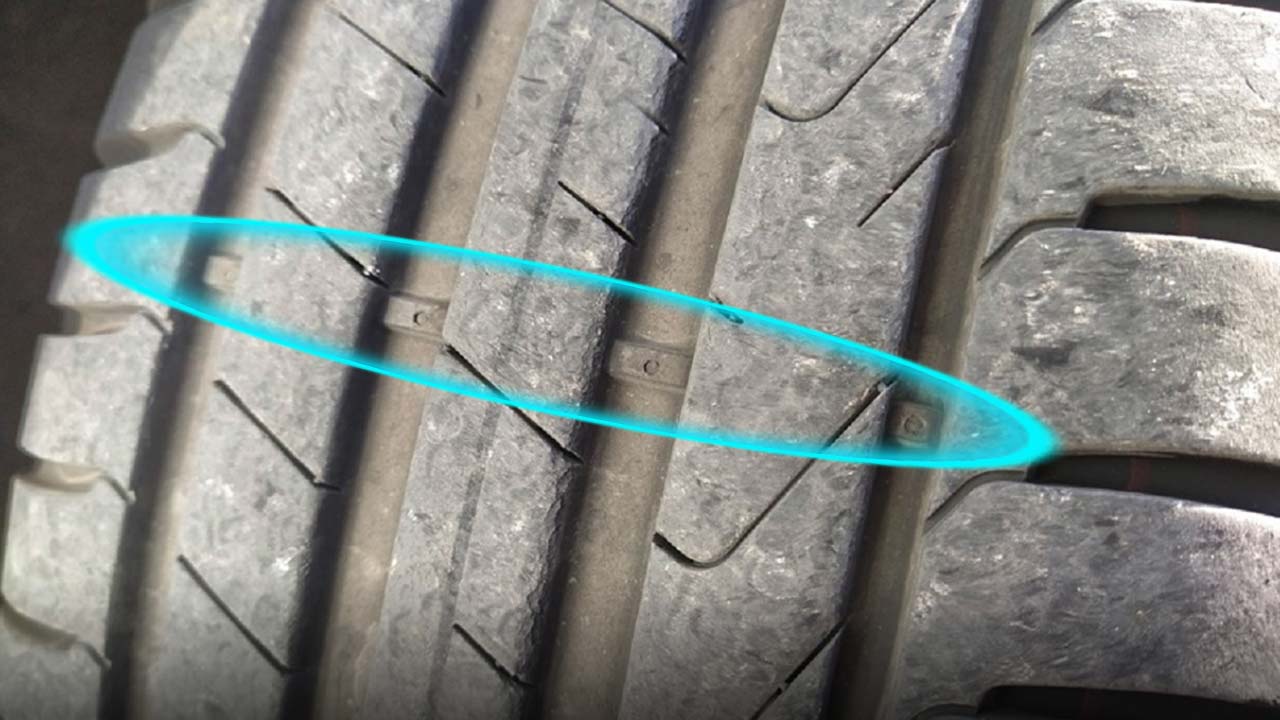
Wear indicator
The wear indicator shows when the tread has reached its limit and the tire needs to be replaced. The depth of the groove must be at least 1.6mm
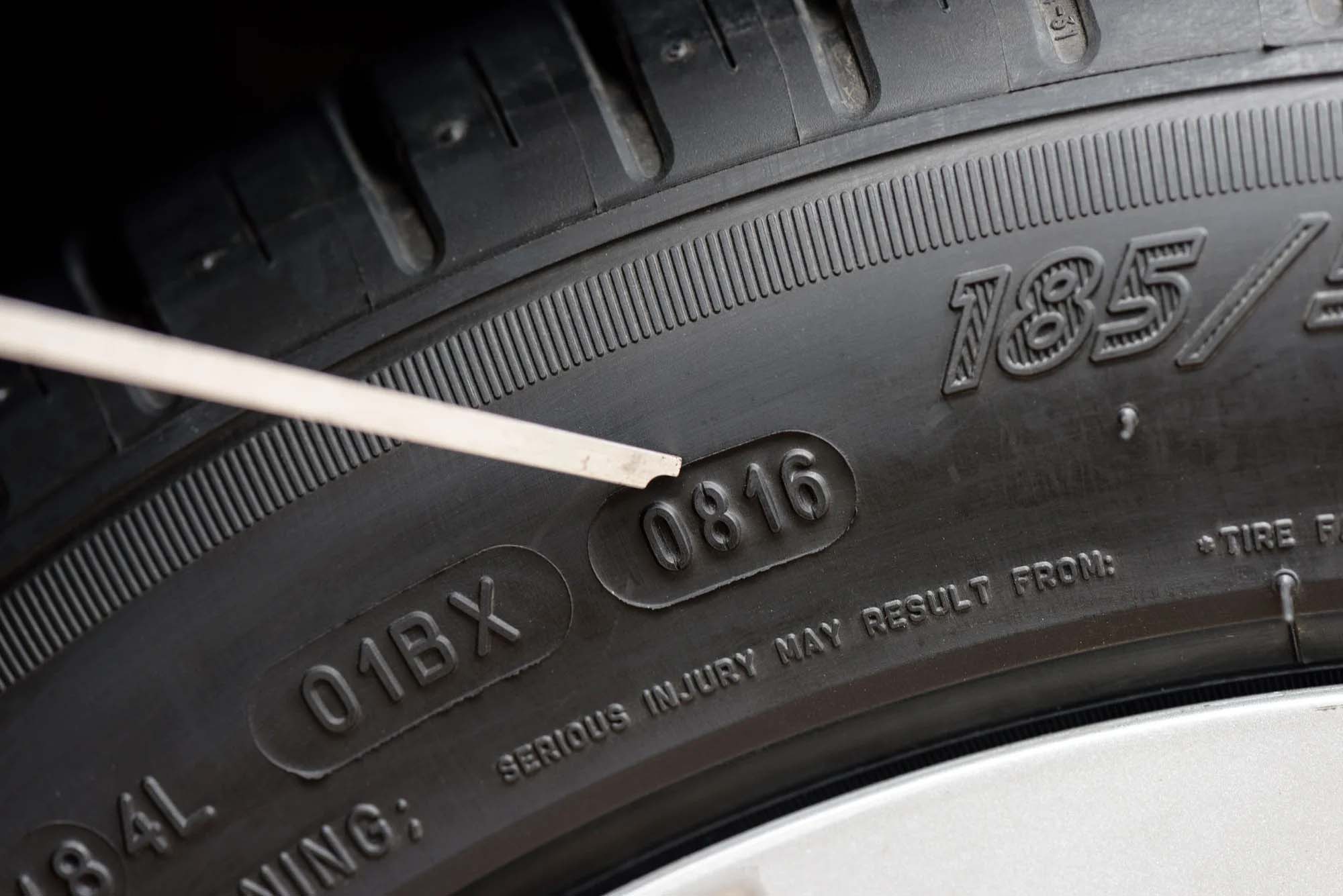
Tire date
The four digits on the side indicate the week and year of manufacture and we change them every three years from the listed date.
Kilometers
The tires should be changed if they have done about 20000-30000km.
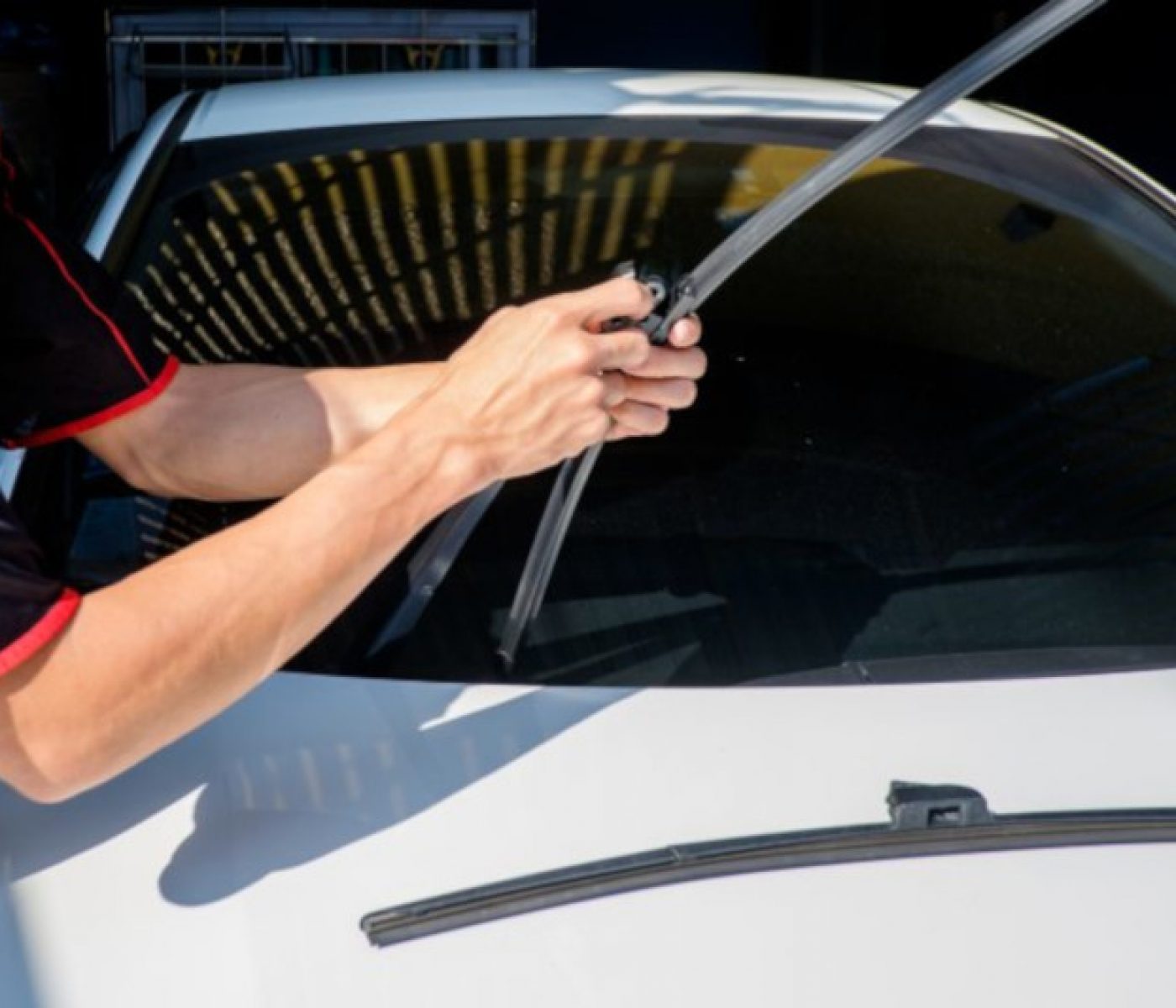
Wipers
Check that they clean the windshield properly and that the tires are not worn.
Lights
Control low, medium and high beams, indicators, brake lights, reverse and alarm.
Documents
What you should take with you for driving
This section is there to help you remember the key documents that may be asked for in an audit or that you need to know in the exam.
01Driver's licence
The driving licence or temporary licence when applicable.
02Traffic licence
The vehicle document with the registration details.
03Insurance policy
In effect, together with the information requested by the insurance company.
04KTEO and others
Certificate of technical inspection (KTEO), exhaust gas card and paid road tax.
Various examiner questions
Questions that have been told in the practical exam
What do you do if the brakes don't work on a freeway?
Downshift to 1st and then use the parking brake tooth-to-tooth or with the button pressed until the vehicle stops. If the parking brake doesn't work either, you can turn off the engine to stop it.
What do you do if a red oil, brake or temperature light comes on?
Stop the vehicle and call roadside assistance. Red lights mean a serious problem.
What fluids do you add to the battery, radiator and brakes?
Distilled water in the old battery, anti-freeze-anti-heat in the radiator and special brake fluid in the brakes.
Which wheels does the footbrake brake and which does the parking brake brake?
The foot brake brakes all four wheels, approximately 70% front and 30% rear. The parking brake brakes the rear wheels.
Where are the snow chains fitted?
On the drive wheels. In front-wheel drive, in rear-wheel drive and in four-wheel drive according to the manufacturer's instructions, usually in the front.
What do you do if you stop on a national road due to a traffic jam?
Turn on your hazard lights, i.e. the alarms, to warn drivers coming up behind you.
How many wheels does the vehicle have and how many do we check the pressure on?
The car has four wheels and we check the pressure on all four, as well as the spare where there is one.
At what speed do you go uphill and at what speed do you go downhill?
Use an appropriate low gear so that the engine has power on the uphills and engine braking on the downhills.
What do you do first if you see an accident with trapped people?
First you protect the area, notify the relevant services immediately and do not move injured people without instructions.
Cookie settings
We use necessary cookies for the operation of the website and, with your consent, statistics cookies to improve your experience. Cookie Policy
Cookie preferences
You can change your choice at any time from the Cookies Policy.